


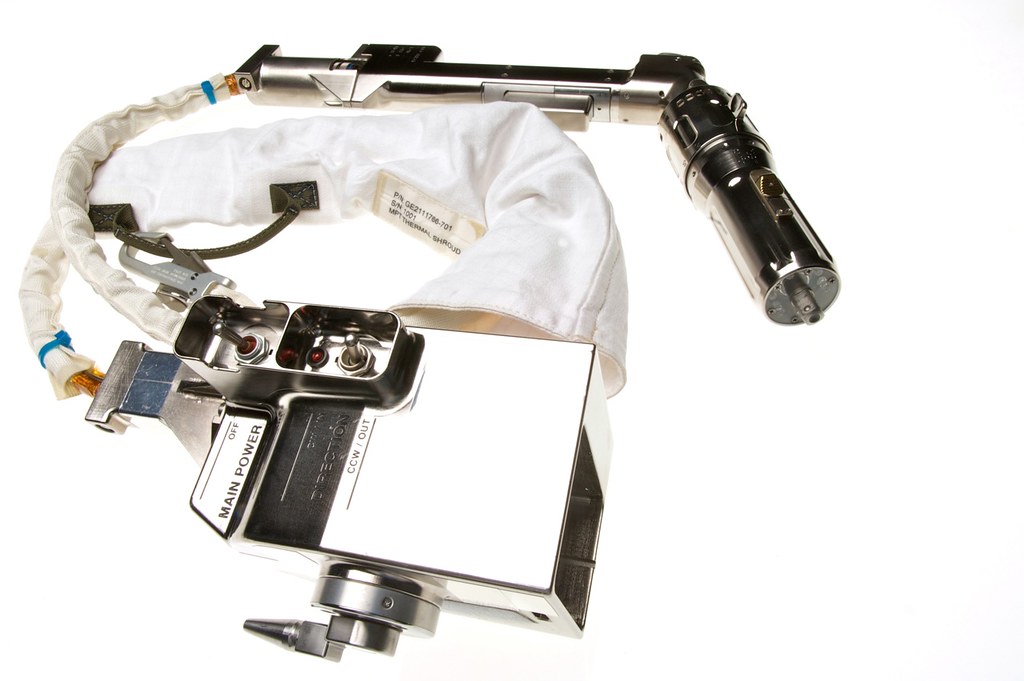
The NASA isolation mission has revealed significant insights into long-term space living. After 378 days in a 3D-printed habitat, the crew has emerged with valuable data for future missions.
Understanding the NASA Isolation Mission
The NASA isolation mission aimed to explore the psychological and physical effects of extended space living. Conducted in a 3D-printed habitat, the mission lasted 378 days, providing valuable insights into human endurance in isolation. Participants engaged in various tasks to simulate life on a distant planet, including research, maintenance, and communication exercises.
The crew’s experience highlighted several key aspects of long-term missions:
- Team Dynamics: Maintaining effective communication and collaboration was essential for success.
- Psychological Resilience: Coping strategies were developed to address feelings of confinement and stress.
- Health Monitoring: Continuous health assessments were critical to ensure physical well-being.
Ultimately, the findings from the NASA isolation mission will help inform future exploratory missions to Mars and beyond.
Key Findings from the Experiment
During the NASA isolation mission, several key findings emerged that highlight the benefits of long-term space living. The experiment, which lasted 378 days, provided invaluable insights into human behavior and physiological changes in extended isolation.
- Psychological Resilience: Participants reported increased coping strategies and emotional resilience, showcasing the human ability to adapt to prolonged confinement.
- Team Dynamics: The mission emphasized the importance of effective communication and teamwork, crucial for maintaining morale in isolated environments.
- Health Monitoring: Continuous health assessments revealed significant data on the impact of isolation on physical well-being, aiding future space mission planning.
- Resource Management: Efficient use of limited resources was key, demonstrating the potential for sustainable living in extraterrestrial habitats.
These findings from the NASA isolation mission contribute to our understanding of long-duration space expeditions, paving the way for future exploration.
Impact on Future Space Missions
The recent completion of the NASA isolation mission has significant implications for future space exploration. As missions to Mars and beyond become more feasible, understanding the effects of long-term isolation on human psychology and physiology is crucial.
Key insights gained from the experiment include:
- Enhanced Team Dynamics: Crew members reported improved communication skills and conflict resolution strategies.
- Psychological Resilience: Participants developed coping mechanisms to manage stress and isolation, vital for future missions.
- Health Monitoring: Continuous health assessments demonstrated the importance of regular medical checks in confined environments.
These findings not only validate the strategies used during the NASA isolation mission but also pave the way for preparing astronauts for the unique challenges of extended space travel.
Health and Wellbeing in Isolation
The recent completion of the NASA isolation mission has provided valuable insights into the health and wellbeing of astronauts during extended space missions. Participants experienced various psychological and physical challenges, prompting researchers to assess their coping mechanisms.
Key factors contributing to mental health included:
- Social support: Maintaining communication with family and friends proved essential for emotional stability.
- Structured routines: Establishing daily schedules helped participants manage their time and reduce stress.
- Physical activity: Regular exercise was critical in mitigating the negative effects of confinement and promoting overall health.
These findings highlight the importance of preparing astronauts for long-term isolation, ensuring their wellbeing during future missions beyond Earth’s atmosphere.
Technology Used in the 3D-Printed Habitat
The recent NASA isolation mission showcased the effectiveness of advanced technology in creating sustainable living conditions in space. A key feature of the mission was the use of a 3D-printed habitat, which demonstrated the potential for in-situ resource utilization. This technology allowed the crew to experience a realistic environment, complete with necessary amenities.
Among the notable technologies employed were:
- 3D printing: Utilized for constructing various components of the habitat, minimizing the need for resupply missions.
- Smart environmental controls: Automated systems that regulated air quality and temperature, ensuring a comfortable living space.
- Renewable energy sources: Solar panels and energy-efficient systems facilitated sustainable power supply.
These innovations play a crucial role in preparing for long-duration missions, underscoring the importance of the NASA isolation mission.
By NASA Goddard Photo and Video via Openverse