
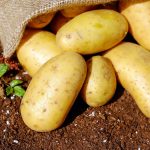







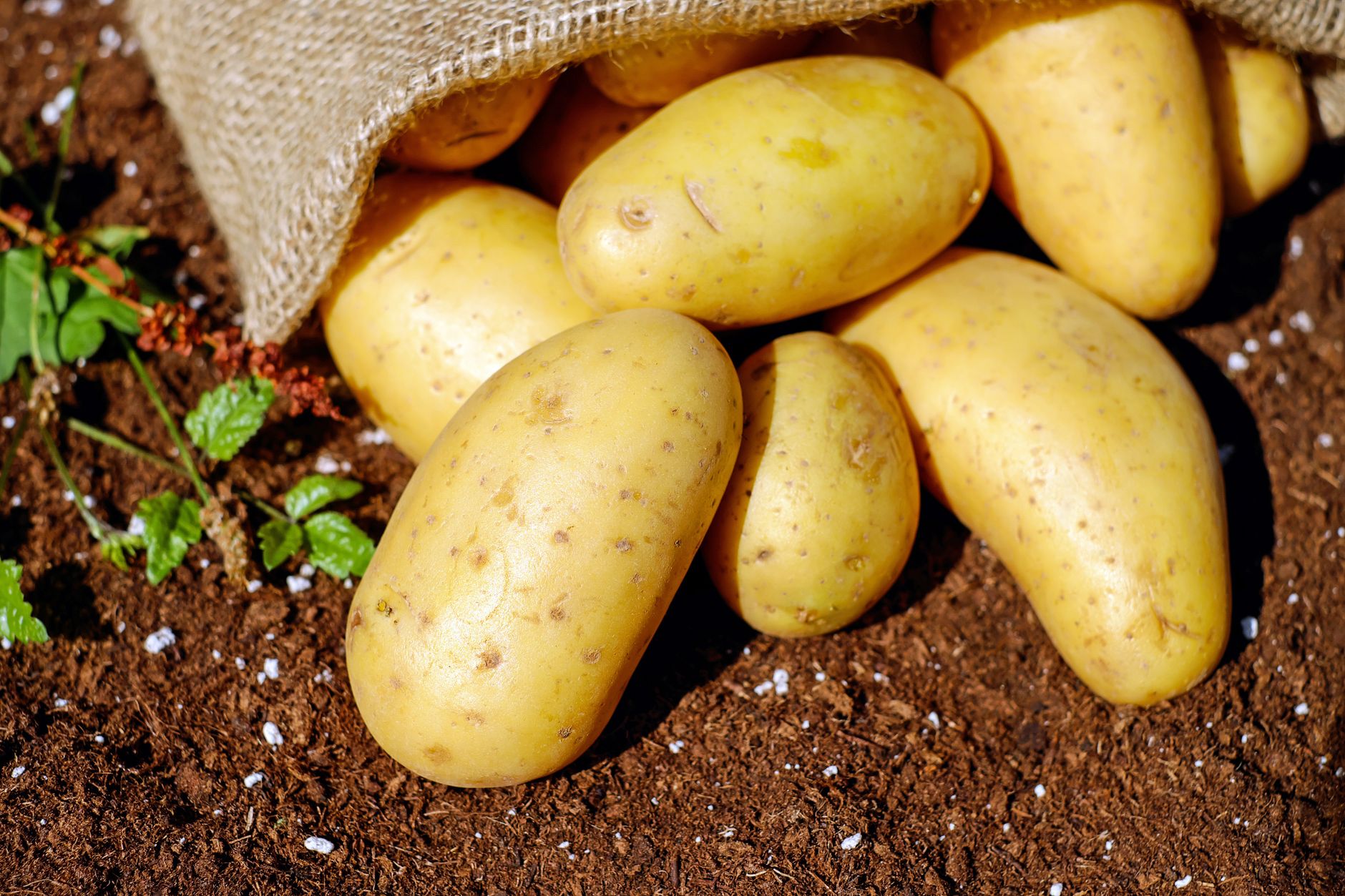
growing potatoes in moon soil has become a reality, as scientists have successfully cultivated the crop in simulated lunar conditions. This groundbreaking achievement could pave the way for sustainable food sources on future moon missions.
The Science Behind Moon Soil
Recent advancements in space agriculture have unveiled promising results in growing potatoes in moon soil. Researchers have been experimenting with simulated lunar regolith, a material that mimics the chemical and physical properties of actual moon soil. This innovative approach aims to address the challenges of food production in extraterrestrial environments.
Key aspects of the research include:
- Nutrient Availability: Scientists are exploring how to supplement moon soil with essential nutrients to support plant growth.
- Water Retention: The ability of lunar soil to retain moisture is critical for successful cultivation.
- Crop Resilience: Understanding how plants can adapt to the unique conditions of moon soil is vital for future missions.
In trials, potatoes demonstrated remarkable adaptability, thriving in conditions that replicate the harsh environment of the moon. These findings not only pave the way for future lunar colonies but also spark interest in sustainable farming techniques on Earth. With continued research, growing potatoes in moon soil could become a reality, transforming our approach to space exploration and agriculture.
Challenges of Lunar Agriculture
As scientists explore the potential of growing potatoes in moon soil, several challenges must be addressed to ensure the success of lunar agriculture. One primary concern is the composition of lunar regolith, which varies significantly from Earth soil.
- Nutrient Deficiency: Moon soil lacks essential nutrients that crops need to thrive, requiring innovative solutions to supplement these deficiencies.
- Water Scarcity: The absence of liquid water on the lunar surface poses a critical challenge, necessitating advanced methods of water conservation and recycling.
- Radiation Exposure: Increased levels of cosmic radiation on the Moon could impact plant growth and health, demanding protective measures for crops.
- Temperature Extremes: Fluctuations in temperature on the Moon can affect plant development, requiring controlled environments to sustain growth.
Despite these challenges, successful experiments have demonstrated the potential for growing potatoes in moon soil, igniting hope for sustainable food sources in future lunar missions.
Implications for Future Space Missions
The successful experiment of growing potatoes in moon soil has significant implications for future space missions. As space agencies plan longer missions to the Moon and beyond, the ability to cultivate food in extraterrestrial environments becomes crucial for crew sustainability.
One major benefit is the reduction of dependency on resupply missions from Earth. By establishing the capability to grow food on the Moon, astronauts can potentially harvest fresh produce, which can enhance their nutrition and overall well-being during extended stays in space.
Moreover, this success serves as a stepping stone for future colonization efforts on Mars and other celestial bodies. The techniques developed for lunar agriculture may be adapted to different planetary soils, facilitating the growth of various crops.
In addition to food production, this research encourages further exploration of sustainable life support systems, which are essential for human survival in harsh environments. As we continue to advance our understanding of space farming, the possibility of permanent human settlements off Earth becomes increasingly feasible.
Benefits of Growing Potatoes
The success of growing potatoes in moon soil presents numerous benefits for both space exploration and agricultural innovation. This breakthrough not only demonstrates the viability of cultivating food in extraterrestrial environments but also opens up exciting possibilities for sustainable living on the Moon.
One of the primary advantages is the potential for self-sufficiency. By growing potatoes in moon soil, astronauts could reduce their dependence on Earth for food supplies during long missions. This could significantly enhance the feasibility of extended stays on the lunar surface or even Mars.
Additionally, potatoes are known for their rich nutrient profile and high yield, making them an excellent choice for space farming. They require less water compared to other crops, which is particularly advantageous in the resource-limited environment of the Moon. Furthermore, the success of this experiment could inspire future research into other crops that might thrive in similar conditions, paving the way for a broader agricultural strategy for space colonization.
- Enhances self-sufficiency for space missions
- High nutrient content and yield
- Potential for research into diverse crops
Research Methodology Explained
The research methodology employed in the experiment focused on growing potatoes in moon soil simulants, which closely mimic the chemical and physical properties of actual lunar regolith. The study utilized a multi-phase approach to ensure comprehensive analysis and reproducibility.
Initially, scientists prepared the simulated moon soil, incorporating essential nutrients to facilitate plant growth. This phase involved:
- Soil Composition Analysis: Researchers assessed the mineral content and texture of the lunar simulants, ensuring they accurately represented the moon’s surface.
- Plant Selection: Varieties of potatoes were chosen for their resilience and adaptability, with a focus on those previously shown to thrive in extreme conditions.
- Growth Conditions: Controlled environments were created to simulate lunar conditions, including temperature, pressure, and light exposure.
Finally, the team monitored growth metrics such as germination rates, biomass production, and nutrient uptake over a specified period. This rigorous methodology laid the groundwork for understanding the potential of cultivating food in extraterrestrial environments.
Next Steps in Space Farming
The recent success of growing potatoes in moon soil has opened up exciting possibilities for the future of space farming. As researchers analyze the results, several next steps are being proposed to further explore this groundbreaking achievement.
Firstly, scientists plan to conduct more extensive experiments with a variety of crops. Diverse plant species could provide insights into which other foods can thrive in lunar conditions, potentially expanding the menu for astronauts on long missions.
Secondly, studies will investigate the nutritional value of these crops grown in moon soil. Understanding how the lunar environment affects food quality is crucial for sustaining human life in space.
Additionally, researchers aim to develop more efficient agricultural techniques tailored to the unique challenges of lunar farming. This includes optimizing water usage and nutrient delivery systems.
As the exploration of growing potatoes in moon soil continues, it may lead to sustainable farming practices not just on the Moon, but also in extreme environments on Earth, showcasing the potential of space agriculture.
Photo by Pixabay on Pexels
Sources
NVIDIA Vera Rubin Azure: Best Proven AI Model Announcements · Greatest Games Never Nominated: The Worst Oversights in Gaming · GTA 6 preorder discount: Is This the Best Trick to Save?