









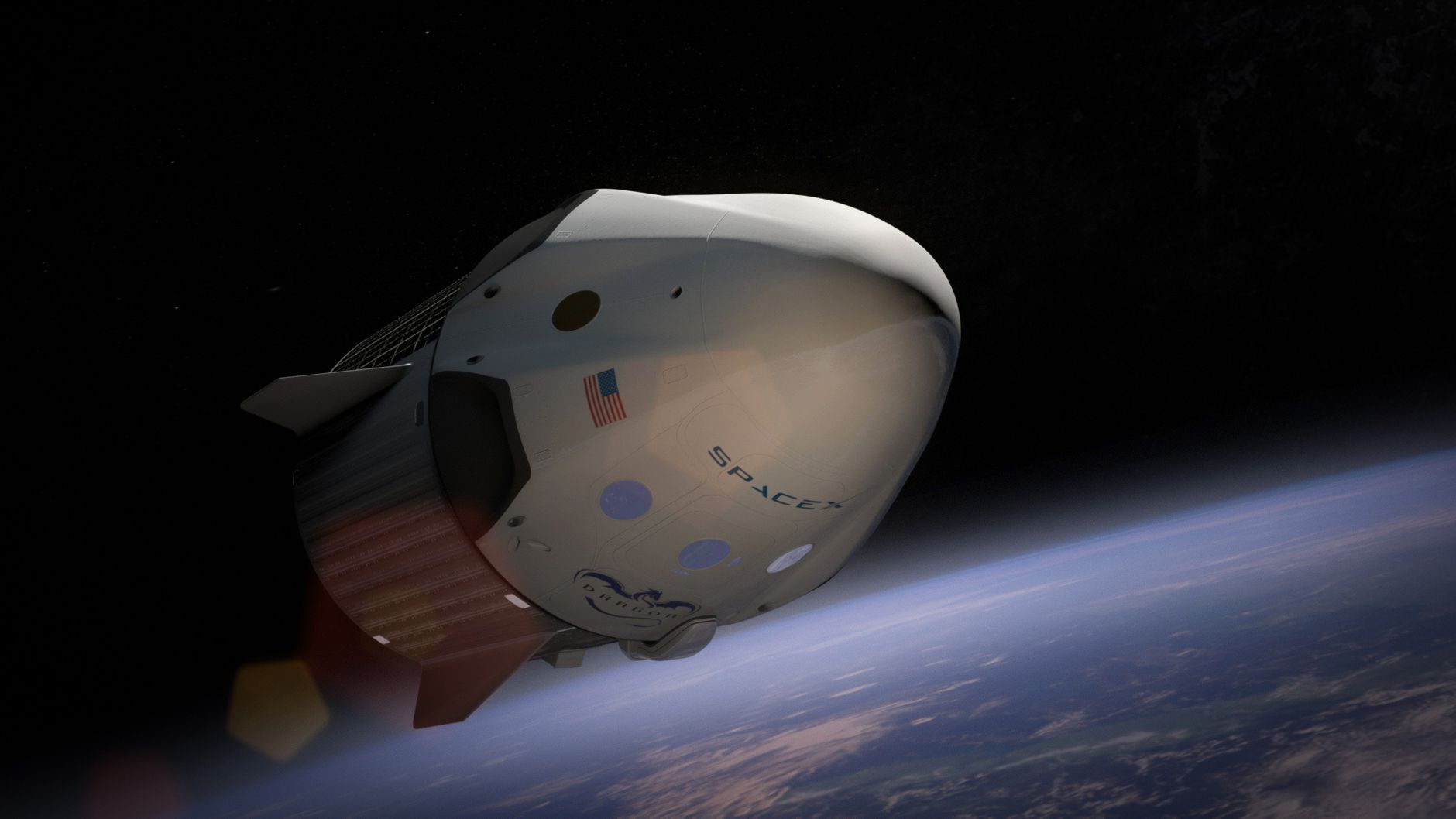
SpaceX spaceship capture is a groundbreaking achievement in aerospace technology. This event showcases the innovative capabilities of SpaceX and its commitment to advancing space exploration.
What is the SpaceX spaceship capture?
The SpaceX spaceship capture marks a milestone in space exploration, showcasing the company’s innovative capabilities and engineering advancements. This unprecedented event involved the successful rendezvous and capture of a spacecraft in orbit, a feat that had only been theorized until now. By utilizing advanced robotics and precise navigation techniques, SpaceX demonstrated its ability to not only launch and land rockets but also to engage and secure other vehicles in space.
During the operation, the SpaceX crew utilized its cutting-edge technology to track and capture the target spacecraft, illustrating the potential for future missions involving delicate retrievals or maintenance tasks in orbit. The implications of this success extend beyond mere achievement; they pave the way for new possibilities in satellite servicing, space debris management, and even interplanetary missions.
As the aerospace community reflects on this groundbreaking event, many are left wondering if the SpaceX spaceship capture is indeed the company’s most significant accomplishment to date.
How does this impact future missions?
The successful SpaceX spaceship capture marks a pivotal moment in space exploration, with implications that extend far beyond this single mission. This achievement not only showcases advanced engineering and innovative design but also sets a new standard for future operations in orbit.
With this technology, SpaceX can potentially streamline the process of satellite servicing and debris removal, allowing for more sustainable use of space. The ability to capture and refuel spacecraft could lead to longer missions and more ambitious projects, such as crewed missions to Mars.
Moreover, this success may encourage other companies and agencies to develop similar capabilities, fostering a competitive environment that stimulates further advancements in space technology. As the industry evolves, the SpaceX spaceship capture could be seen as a catalyst for international collaboration in space exploration, paving the way for shared missions and research opportunities.
Overall, the implications of this breakthrough are vast, promising to transform how we approach future missions in our quest to explore the cosmos.
Key technologies behind the capture
The recent SpaceX spaceship capture marks a significant technological milestone in space exploration. This achievement is supported by several key technologies that have been developed and refined over the years.
- Advanced Navigation Systems: SpaceX utilizes state-of-the-art navigation systems, allowing for precise positioning during the capture process.
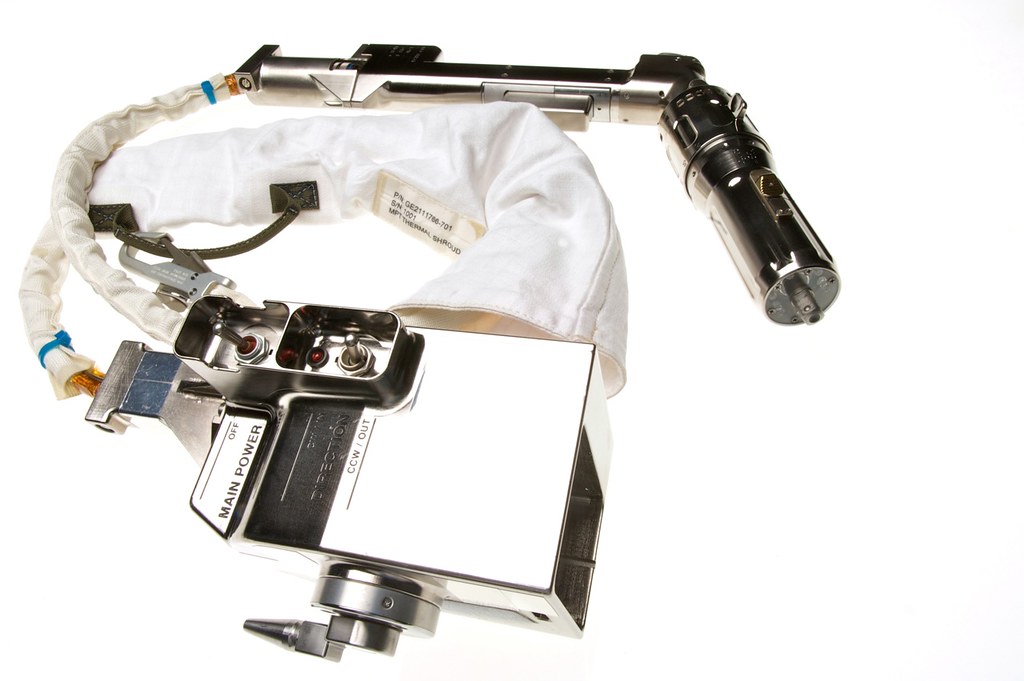
- Robotic Arms: The spacecraft is equipped with robotic arms that facilitate the secure grabbing of objects in orbit, enabling the successful capture of other spacecraft.
- Autonomous Flight Technology: With sophisticated algorithms, SpaceX’s vessels can operate autonomously, reducing the risk of human error during critical maneuvers.
- Real-time Data Processing: The ability to analyze data in real-time ensures that the spaceship can adapt to dynamic conditions, increasing the likelihood of a successful capture.
These innovations not only contribute to the success of the SpaceX spaceship capture but also pave the way for more ambitious missions in the future.
Reactions from the space community
Reactions from the space community have been overwhelmingly positive following SpaceX’s groundbreaking spaceship capture. Experts and enthusiasts alike are heralding this event as a pivotal moment in space exploration.
Dr. Emily Carson, a prominent aerospace engineer, stated, “This achievement showcases the incredible advancements in technology and engineering that SpaceX has made over the years.” Many believe that the SpaceX spaceship capture could redefine how future missions are conducted, opening doors to more complex operations in orbit.
In a recent forum, astronaut Mark Thompson emphasized the importance of collaboration, saying, “Such innovations will inspire new partnerships in the field of space travel.” Additionally, research institutions are already discussing how they can leverage this technology for scientific missions.
As the space community reflects on this milestone, the consensus is clear: SpaceX has not only pushed boundaries but has also set a new standard for future endeavors in space exploration.
Future prospects for SpaceX
The successful SpaceX spaceship capture marks a pivotal moment in aerospace innovation, paving the way for future advancements in space travel. With this achievement, SpaceX has demonstrated its ability to not only launch but also effectively retrieve spacecraft, which could revolutionize how missions are conducted.
Looking ahead, several prospects emerge for the company and the industry at large:
- Reusable technology: Enhanced reusability of spacecraft can lead to significant cost reductions.
- Deep space missions: The capture technique could facilitate missions beyond low Earth orbit, such as to Mars or asteroids.
- Collaboration: Other space organizations may partner with SpaceX to utilize this technology for their own missions.
- Commercial opportunities: The ability to capture and return payloads could open new markets for satellite servicing and retrieval.
As SpaceX continues to innovate, the future of space exploration may be brighter than ever.
Photo by SpaceX on Pexels