





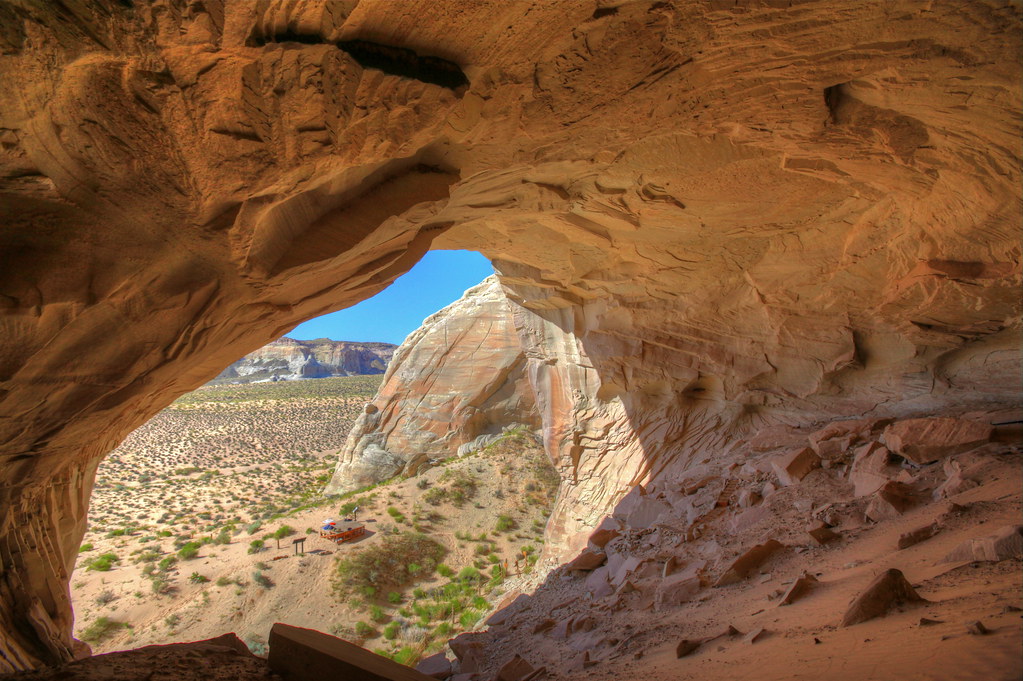
early human settlement was intricately governed by stone and water resources in the desert. Recent research sheds light on these ancient practices and their impact on survival.
Introduction to Early Human Settlement
The study of early human settlement in desert regions offers fascinating insights into how ancient populations adapted to some of the planet’s most challenging environments. Researchers have uncovered evidence pointing to the crucial roles of natural resources, particularly stone and water, in these settlements.
Deserts, often perceived as barren landscapes, were once vibrant with life, supporting diverse communities. Early humans utilized available resources to establish their homes and secure their survival. The discovery of ancient tools made from locally sourced stone indicates that these pioneers were skilled in crafting necessary implements for daily life.
Furthermore, the proximity to water sources was vital. Early human settlements often flourished near rivers or oases, serving as hubs for trade and social interaction. The combination of stone tools and water access allowed these communities to thrive in harsh conditions, showcasing the ingenuity and resilience of early human settlement in the desert.
As researchers continue to explore these ancient sites, new findings promise to deepen our understanding of how early humans navigated their environments.
The Role of Water in Desert Life
The survival of early human settlement in desert regions heavily relied on the availability of water. In these arid environments, water sources were not only essential for drinking but also for supporting vegetation and wildlife, which in turn provided food for early inhabitants.
Research indicates that early humans developed sophisticated strategies to locate and utilize water. They often settled near:
- Oases and natural springs
- Seasonal rivers and streams
- Areas with underground aquifers
Moreover, the presence of water influenced settlement patterns. Communities were typically established in proximity to these vital resources, allowing for more sustainable living conditions. The ability to access water determined not only where people lived but also how they interacted with their environment.
As a result, understanding the role of water in desert life provides profound insights into early human settlement. It reveals how these communities adapted their lifestyles to thrive in one of the most challenging landscapes on Earth.
Stone Tools and Their Importance
Stone tools played a crucial role in the development and sustainability of early human settlement in desert regions. These tools were not merely implements for survival; they represented a significant advancement in human ingenuity and adaptability.
Archaeological findings reveal that early humans utilized various types of stone tools for different purposes, enhancing their ability to hunt, gather, and process food. The development of these tools allowed for a more efficient exploitation of the scarce resources available in desert environments.
Some key aspects of stone tools and their importance include:
- Hunting Efficiency: Sharp stone blades enabled early humans to hunt large game more effectively, providing vital nutrition.
- Food Processing: Stone tools were essential for processing plant materials, allowing for a varied diet.
- Resource Management: The ability to craft tools from local stone sources facilitated mobility and strategic resource management in harsh landscapes.
Overall, the innovation of stone tools was instrumental in shaping early human settlement patterns, allowing communities to thrive in challenging desert conditions.
Archaeological Discoveries in the Desert
Recent archaeological discoveries in the desert have provided valuable insights into early human settlement patterns. Researchers have uncovered evidence of ancient campsites, which indicate that early humans adapted to the harsh desert environment.
Among the most significant findings are:
- Hearths and Cooking Areas: These structures suggest that early humans were able to cook food, which would have been essential for survival.
- Storage Pits: The presence of storage pits indicates that early settlers collected and preserved resources, reflecting a sophisticated understanding of their environment.
- Artifacts and Tools: Various stone tools have been unearthed, showcasing the technological advancements that facilitated their survival.
These discoveries not only highlight the ingenuity of early humans but also demonstrate how they managed to thrive in a seemingly inhospitable desert. By understanding the complexities of early human settlement, researchers can better appreciate the resilience and adaptability of our ancestors in extreme conditions.
Insights from Nature’s Recent Study
A recent study published in the journal Nature sheds light on the factors that influenced early human settlement in desert environments. Researchers identified a compelling connection between the availability of water sources and the presence of stone tools, which were critical for survival and adaptation.
The study highlighted several key findings:
- Water as a Lifeline: Access to freshwater not only sustained life but also attracted early human groups to specific locations.
- Tool Production Sites: Areas rich in stone materials served as centers for manufacturing tools, essential for hunting and gathering.
- Environmental Adaptations: Early humans demonstrated remarkable adaptability by utilizing local resources and developing strategies to cope with harsh conditions.
These insights contribute to our understanding of how early human settlement patterns were shaped by environmental factors, emphasizing the intricate relationship between humans and their surroundings in arid landscapes.
Impact of Climate on Settlement Patterns
The climate has played a crucial role in shaping early human settlement patterns, particularly in desert regions. As researchers delve into the environmental conditions of ancient times, they find that temperature fluctuations and precipitation levels significantly influenced where humans chose to establish their communities.
The harshness of desert climates necessitated innovative survival strategies. Early humans adapted by developing specific settlement patterns that aligned with climatic conditions. For instance, during wetter periods, evidence suggests that populations expanded into previously uninhabitable areas, taking advantage of the available resources.
Conversely, during prolonged dry spells, these settlements often contracted, leading to migrations toward more hospitable regions. This dynamic interplay between climate and human behavior highlights the adaptability of early human societies.
Understanding these patterns provides valuable insights into the broader context of early human settlement. By examining how climate dictated resource availability, researchers can better comprehend the complexities of human adaptation in some of the world’s most challenging environments.
Future Research Directions in Archaeology
As research on early human settlement continues to evolve, future archaeological endeavors will likely focus on several promising directions. One major area of interest is the integration of advanced technologies, such as satellite imagery and ground-penetrating radar, to uncover hidden sites that traditional methods might overlook. These tools can help archaeologists identify potential settlement areas based on environmental data.
Additionally, interdisciplinary collaboration will be crucial. By working alongside climate scientists, geologists, and ecologists, archaeologists can gain a deeper understanding of how ancient humans interacted with their environments. This holistic approach can lead to valuable insights into migration patterns, resource management, and the adaptation strategies of early populations.
Furthermore, studying modern desert-dwelling communities may provide analogs for understanding ancient practices, particularly in water conservation and tool use. As researchers continue to explore the complexities of early human settlement, these innovative methodologies and collaborative efforts will undoubtedly enrich our comprehension of human history in arid landscapes.
By jurvetson via Openverse