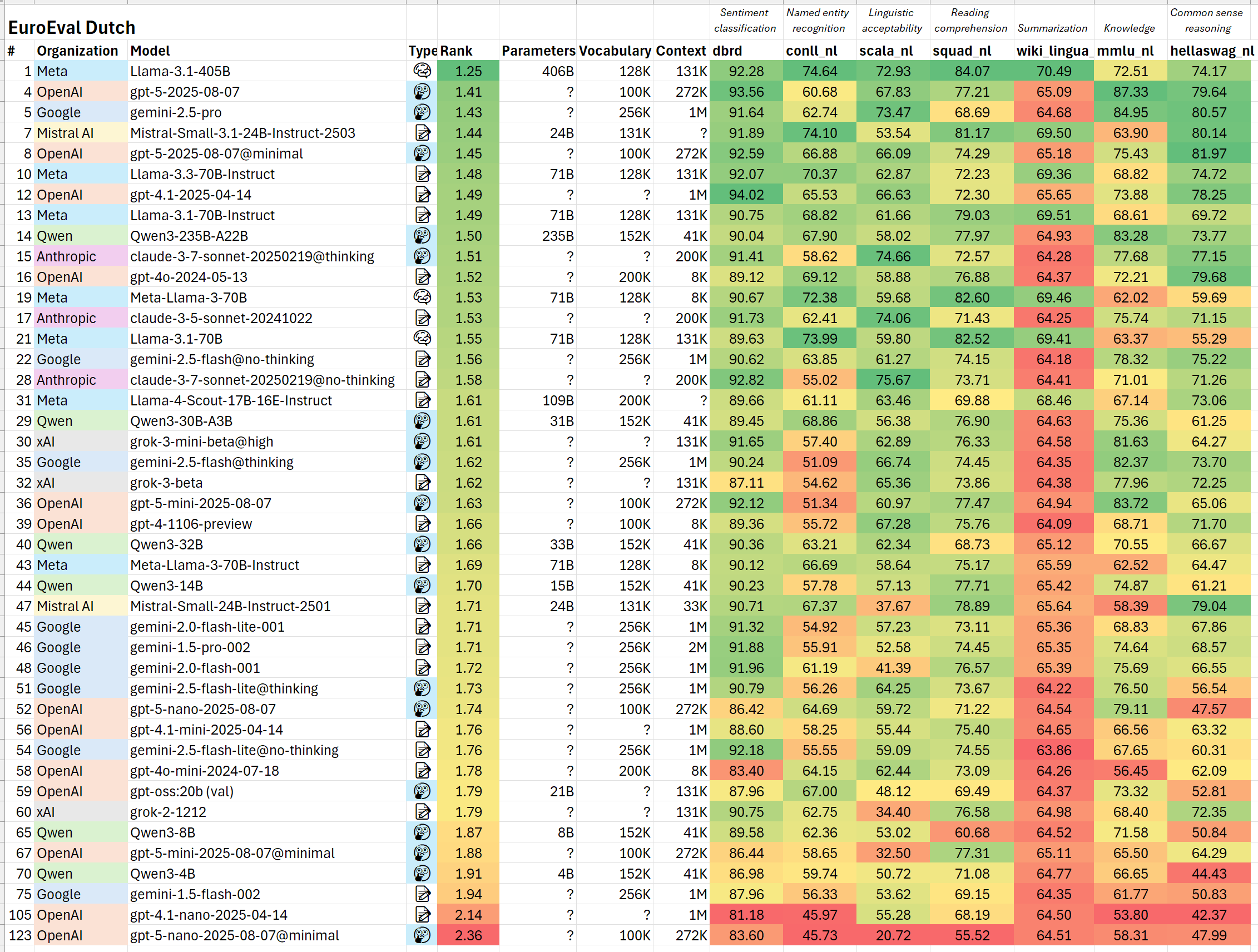











New AI models are at the forefront of technological innovation, revolutionizing various industries. This article explores five groundbreaking models that are reshaping the landscape.
Introduction to New AI Models
The rapid evolution of technology has given rise to new AI models that are redefining our interaction with machines. In 2023, several innovations have emerged, showcasing the incredible potential of artificial intelligence across various sectors.
These models are not only enhancing efficiency but also enabling unprecedented capabilities in areas such as:
- Natural Language Processing: Improved understanding and generation of human language.
- Computer Vision: Enhanced image recognition and analysis for smarter applications.
- Reinforcement Learning: Advanced decision-making processes that mimic human learning.
- Generative AI: Creation of new content, from art to music, that pushes creative boundaries.
As businesses and researchers adopt these new AI models, the potential for innovation continues to grow, promising a future where AI is integral in solving complex problems and enhancing everyday life.
Key Features of the Latest AI Models
The latest AI models introduced in 2023 have showcased significant advancements that are reshaping various industries. Here are some key features that stand out:
- Enhanced Natural Language Processing: Many new AI models excel in understanding and generating human-like text, leading to improved communication tools.
- Real-time Data Analysis: These models can process vast amounts of information instantaneously, allowing businesses to make informed decisions swiftly.
- Advanced Machine Learning Techniques: Incorporating deep learning and reinforcement learning, the new AI models adapt and improve over time with minimal human intervention.
- Ethical Considerations: Developers are prioritizing transparency and accountability, ensuring that AI systems are deployed responsibly.
- User-friendly Interfaces: The latest models feature intuitive designs that make them accessible to non-experts, broadening their usability.
These innovations represent just a glimpse of how new AI models are evolving and influencing our daily lives.
How New AI Models are Changing Industries
The introduction of new AI models has significantly transformed various industries, driving efficiency and innovation. These advancements have allowed businesses to automate processes, enhance decision-making, and improve customer experiences.
In the healthcare sector, for instance, new AI models have enabled faster diagnostics and personalized treatment plans. Machine learning algorithms analyze vast datasets, assisting doctors in predicting patient outcomes more accurately.
Similarly, in finance, these models have revolutionized risk assessment and fraud detection. By utilizing real-time data analysis, institutions can identify suspicious activities almost instantaneously, protecting client assets.
Manufacturing is also reaping the benefits, as predictive maintenance powered by AI minimizes downtime and optimizes production schedules. This shift not only boosts productivity but also reduces operational costs.
As new AI models continue to evolve, their impact across industries will likely expand, paving the way for further innovations that enhance both efficiency and effectiveness.
The Impact of AI on Daily Life
The emergence of new AI models has significantly transformed daily life, impacting various aspects of how individuals interact with technology. These advanced systems have become integral to several routine activities, making tasks more efficient and user-friendly.
One of the most notable impacts is seen in the enhancement of personal assistants. With improved natural language processing capabilities, these AI models can better understand and respond to user queries, making information access seamless. Additionally, smart home devices have become more intuitive, allowing users to manage their environments with greater ease.
Moreover, the integration of AI in education has provided personalized learning experiences. Students can receive tailored resources, improving engagement and retention. In healthcare, new AI models assist in diagnostics and patient management, showcasing their potential to revolutionize treatment approaches.
As these innovations continue to evolve, they promise to further embed AI into the fabric of everyday life, reshaping how we live and work.
Challenges in Developing New AI Models
The development of new AI models has not been without its challenges. As technology evolves, researchers face several hurdles that can impact the pace of innovation. These challenges include:
- Data Quality: Ensuring that the datasets used for training AI models are accurate, diverse, and representative is crucial. Poor quality data can lead to biased models, limiting their effectiveness.
- Computational Power: The demand for advanced computational resources often exceeds availability. This can slow down the development process and increase costs.
- Ethical Considerations: As AI models become more integrated into society, concerns about privacy, security, and fairness have emerged. Developers must navigate these ethical implications carefully.
- Regulatory Compliance: Adapting to new regulations regarding AI technology can pose challenges, requiring organizations to remain flexible and informed.
These factors collectively influence the research landscape and the deployment of new AI models across various sectors.
Future Trends in AI Technology
The future of AI technology is poised for remarkable advancements, driven by the emergence of new AI models that are reshaping our capabilities and expectations. As we look ahead, several key trends are likely to dominate the landscape:
- Increased Personalization: New AI models are expected to offer even more tailored experiences, learning from user interactions to provide customized recommendations.
- Enhanced Collaboration: The integration of AI into collaborative tools will streamline workflows, making teamwork more efficient and effective.
- Ethical AI Development: As awareness grows, there will be a stronger emphasis on building responsible AI, ensuring that new AI models adhere to ethical standards.
- Real-Time Data Processing: Future models will harness the power of real-time analytics, allowing for immediate insights and decision-making.
- Interdisciplinary Applications: The application of new AI models across various fields, from healthcare to finance, will continue to expand, driving innovation.
These trends signify an exciting era for AI technology.
Photo by Matheus Bertelli on Pexels