





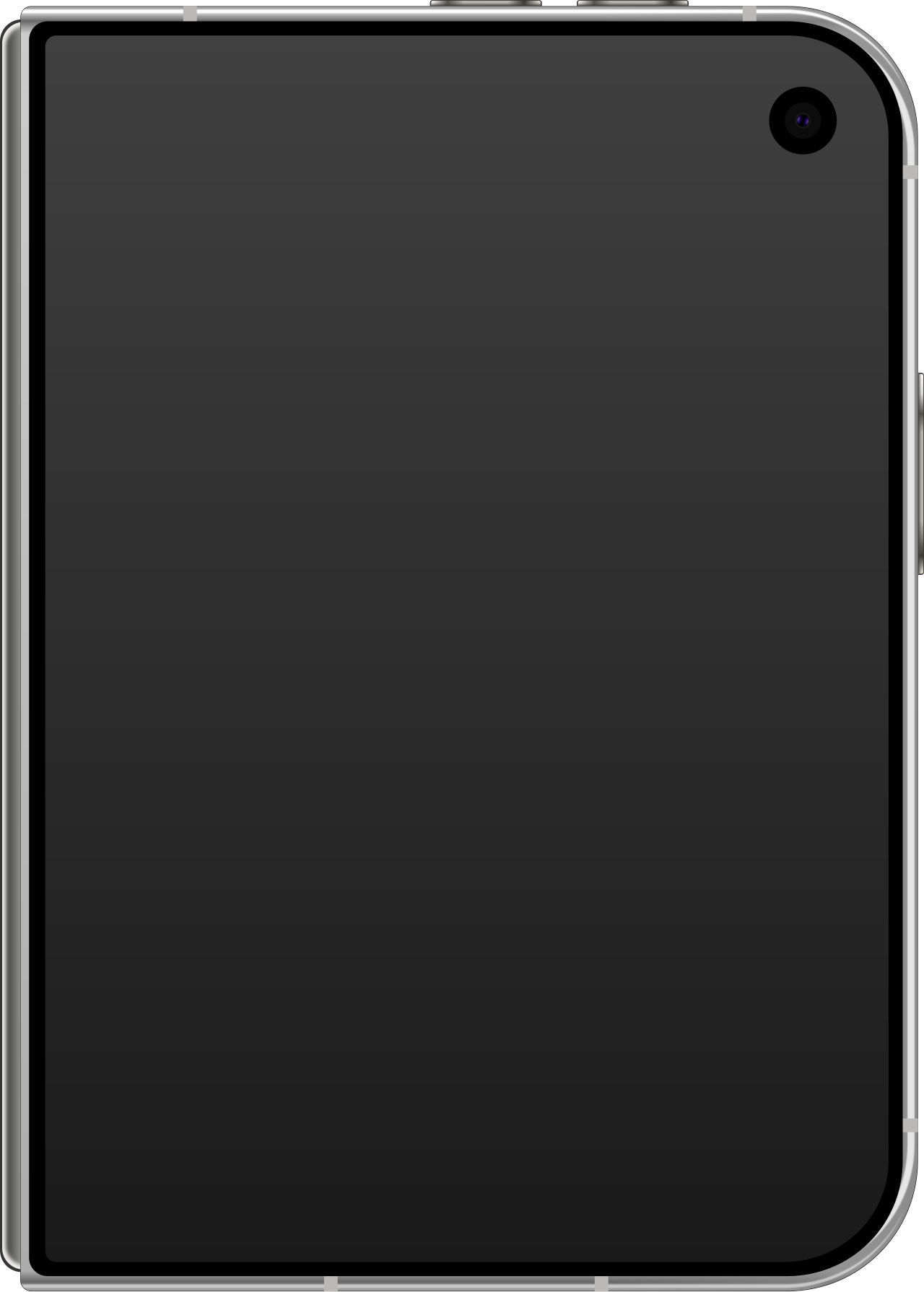
The iPhone Duo foldable design has finally arrived, but it seems to echo some of Android’s worst case design choices. Apple’s entry into the foldable market raises questions about originality and user experience.
Overview of the iPhone Duo Foldable Design
The recent launch of the iPhone Duo foldable design has stirred mixed reactions among tech enthusiasts and critics alike. With Apple finally stepping into the foldable market, many anticipated a groundbreaking innovation. However, the iPhone Duo appears to mirror some of the less favorable design choices seen in existing Android foldables.
One of the main criticisms revolves around the device’s hinge mechanism, which has drawn comparisons to similar issues faced by Android competitors. This design choice raises concerns about durability and long-term usability. Additionally, the screen crease, a common flaw in foldable devices, is prominently visible on the iPhone Duo, leading to questions about its overall aesthetic appeal.
Beyond the physical design, the software integration also leaves much to be desired. Users have reported inconsistencies in app performance when transitioning between the two screens. As Apple aims to carve its niche in the foldable market, many are left wondering if the iPhone Duo foldable design is indeed a missed opportunity to innovate rather than replicate.
- Hinge mechanism issues
- Visible screen crease
- Inconsistent app performance
Comparing iPhone Duo and Android Foldables
As the smartphone market evolves, the iPhone Duo foldable design has sparked significant comparisons with existing Android foldables. While Apple has a reputation for innovation, this latest entry appears to replicate some of the major flaws found in its competitors.
Among the key differences and similarities, consumers have noted:
- Durability: Many Android foldables have faced issues with screen durability and hinge performance over time, a concern that some analysts believe the iPhone Duo has not adequately addressed.
- User Interface: The iPhone Duo’s software may struggle with optimization for its foldable interface, mirroring the early challenges faced by Android devices.
- Price Point: With a premium price tag, the iPhone Duo is expected to offer unique features, yet many consumers wonder if it justifies the cost given its similarities to Android models.
Ultimately, while the iPhone Duo foldable design may captivate users, its reliance on Android’s past missteps raises questions about Apple’s approach to the foldable market.
The Worst Design Choices of the iPhone Duo
The launch of the iPhone Duo foldable design has raised eyebrows among tech enthusiasts, particularly due to its questionable design choices that seem to mirror the most criticized aspects of Android foldables. Many users are expressing disappointment over several features that detract from the overall user experience.
- Durability Issues: The iPhone Duo reportedly utilizes materials that may not withstand everyday wear and tear, leading to concerns about longevity and reliability.
- Bulkiness: Critics have noted that the device feels heavier and bulkier than expected, undermining the portability that users typically seek in foldable phones.
- Screen Vulnerability: Similar to some Android models, the iPhone Duo’s fragile screen raises alarms regarding scratches and damage, especially when folded.
- Limited Software Optimization: Early reviews suggest that iOS does not fully take advantage of the foldable design, echoing complaints about Android’s software integration.
These design missteps have led many to question whether Apple has truly innovated or simply replicated the flaws found in its competitors’ devices.
What This Means for the Future of Foldable Phones
The introduction of the iPhone Duo foldable design has raised significant concerns regarding the future of foldable phones. As Apple steps into this competitive market, many industry experts believe that the choices made with the iPhone Duo could hinder innovation rather than promote it.
One major implication is the potential stagnation of design evolution. If leading manufacturers like Apple adopt flawed concepts from competitors, it could lead to a widespread acceptance of these shortcomings.
Consumer expectations are also at stake. Users looking for groundbreaking advancements in foldable technology may find themselves disappointed by the iPhone Duo’s shortcomings, which mimic the less favorable aspects of existing Android models. This could result in a lack of confidence in future foldable iterations from any brand.
- Increased pressure on manufacturers to innovate.
- Risk of consumer disillusionment with foldable technology.
- Potential for a slowdown in overall market growth.
Ultimately, the choices made with the iPhone Duo foldable design could have lasting repercussions on the trajectory of foldable smartphones.
via Wikimedia Commons