





The Orionid meteor shower is set to peak tonight, offering stargazers a spectacular display of shooting stars. Here’s how to make the most of this celestial event.
What is the Orionid Meteor Shower?
The Orionid meteor shower is an annual celestial event that captivates stargazers worldwide. Occurring every October, it is renowned for producing fast and bright meteors that can be seen streaking across the night sky. The shower is associated with Halley’s Comet, which contributes to the meteoroids that create this spectacular display when they enter Earth’s atmosphere.
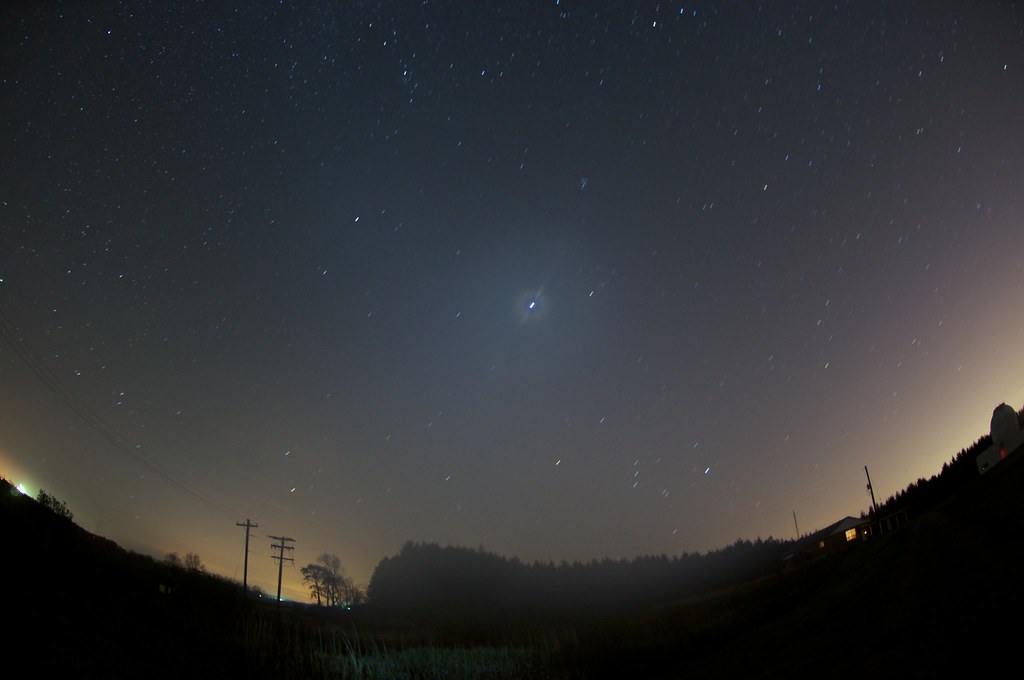
Typically, the Orionids are best viewed in the pre-dawn hours when the sky is darkest. During its peak, observers can witness up to 20 meteors per hour under ideal conditions. The meteors appear to radiate from the constellation Orion, hence the name. This year, the shower is expected to put on a stunning show, providing an excellent opportunity for enthusiasts and casual skywatchers alike. Remember to find a dark area away from city lights for the best viewing experience.
When to Watch the Meteor Shower
The Orionid meteor shower is expected to put on a spectacular display tonight, providing stargazers with an opportunity to witness one of the most mesmerizing celestial events of the year. The best time to watch the meteor shower will be during the pre-dawn hours, particularly between midnight and 5 a.m. local time. During this period, viewers can expect to see a higher frequency of meteors as the Earth passes through the debris left behind by Halley’s Comet.
To enhance your viewing experience, follow these tips:
- Find a dark location away from city lights.
- Allow your eyes to adjust to the darkness for at least 20 minutes.
- Lie back and look up, keeping your field of vision wide.
Don’t forget to check the weather forecast to ensure clear skies for optimal viewing of the Orionid meteor shower tonight.
Best Viewing Locations for Meteor Showers
As the Orionid meteor shower lights up the night sky, finding the best viewing locations is essential for an optimal experience. Here are some ideal spots to consider:
- National Parks: These areas often have minimal light pollution, providing a clearer view of the celestial show.
- Rural Areas: Escape the city lights by heading to the countryside where the sky is darker and stars shine brighter.
- Mountains and Elevated Areas: Higher altitudes can offer stunning panoramic views and less atmospheric interference.
- Open Fields: Find a wide-open space away from obstructions like trees and buildings to enjoy an uninterrupted view.
Make sure to bring a blanket or reclining chair, and lie back to gaze up at the sky for the best chance of witnessing this spectacular meteor shower.
How to Prepare for Stargazing
To fully enjoy the Orionid meteor shower, preparation is key. Here are a few tips to enhance your stargazing experience:
- Find a Dark Location: Light pollution can hinder visibility, so choose a spot away from city lights.
- Check the Weather: Clear skies are essential for optimal viewing, so keep an eye on the forecast.
- Bring Comfort Items: A reclining chair or blanket can make your experience more enjoyable, allowing you to relax while watching the night sky.
- Dress Appropriately: Temperatures can drop at night, so wear layers and bring extra clothing to stay warm.
- Be Patient: The Orionid meteor shower can be unpredictable, so give yourself plenty of time to spot meteors.
With these tips in mind, you’ll be ready to witness the dazzling display of the Orionid meteor shower tonight.
Tips for Catching Shooting Stars
If you’re eager to catch the stunning Orionid meteor shower, here are some tips to enhance your viewing experience:
- Find a dark spot: Choose a location away from city lights to improve visibility.
- Check the weather: Ensure clear skies for the best chance of seeing shooting stars.
- Dress warmly: Prepare for cooler temperatures, especially if you’re watching late at night.
- Be patient: Allow your eyes to adjust to the darkness and give yourself time to spot meteors.
- Lie back: A reclining position will provide a comfortable view of the night sky.
Remember, the Orionid meteor shower is known for its fast and bright meteors, so keep your eyes peeled. Enjoy the celestial show tonight!
The Science Behind Meteor Showers
The Orionid meteor shower is a spectacular astronomical event that occurs annually as Earth passes through the debris left by Halley’s Comet. This phenomenon is characterized by the rapid streaks of light caused when meteoroids enter the Earth’s atmosphere at high speeds, typically around 148,000 miles per hour.
As these meteoroids vaporize upon entry, they create bright trails that can be seen in the night sky. The Orionids are particularly known for their fast and bright meteors, often producing up to 20 meteors per hour at their peak.
Factors contributing to the visibility of the Orionid meteor shower include:
- Dark Skies: Minimal light pollution enhances visibility.
- Weather Conditions: Clear skies are ideal for optimal viewing.
- Time of Night: Late night to early morning hours provide the best chance to see the display.
By phrawr via Openverse