










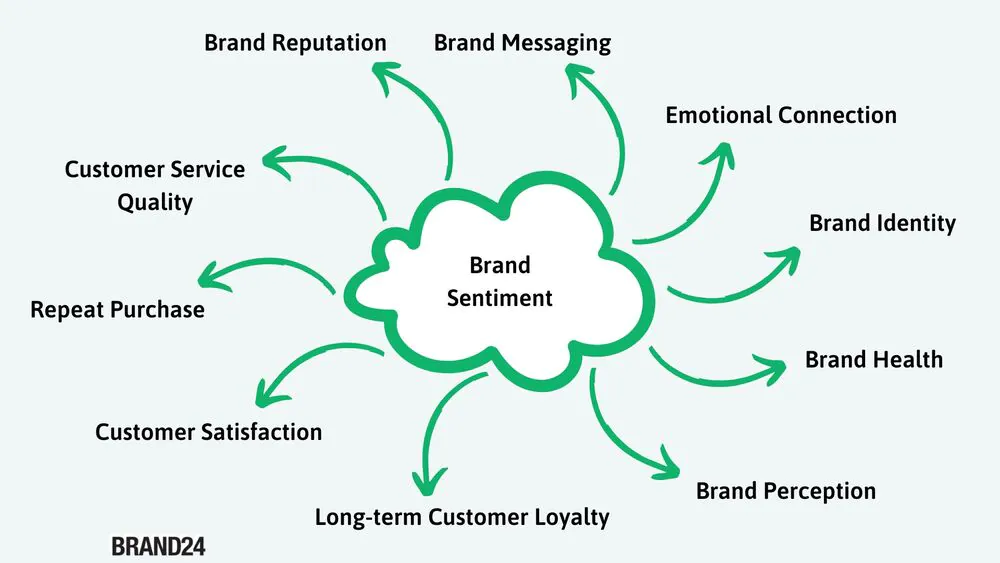
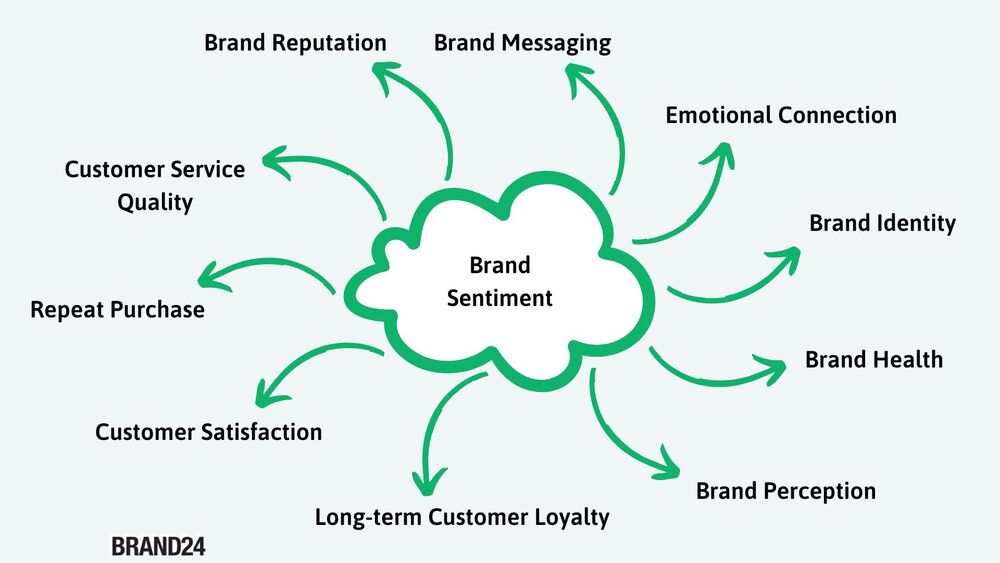
In today’s digital-first world, consumers share their thoughts about brands instantly—on social media, review platforms, forums, and other online platforms. Understanding these opinions is crucial to maintaining a positive brand image and adapting to market trends. This is where sentiment analysis comes in. Especially for a dynamic and commercially vibrant suburb like Andheri, where competition is intense and customer opinions travel fast, mastering sentiment analysis could be a game-changer for businesses of all sizes. For professionals or entrepreneurs in the area who aspire to master data tools that decode customer sentiment, a business analysis course can provide the proper foundation.
What is Sentiment Analysis?
Sentiment analysis is the process of using natural language processing (NLP), machine learning, and statistical analysis to determine the emotional tone behind a body of text. This technique can categorise opinions as positive, negative, or neutral and is especially useful in processing online feedback from sources like:
- Customer reviews on Google and Justdial
- Tweets and Facebook comments
- Instagram captions and YouTube comments
- Surveys and customer support chats
For a business operating in Andheri’s diverse ecosystem—ranging from restaurants and fitness centres to tech startups and fashion boutiques—sentiment analysis can help track what people think.
Why Sentiment Analysis Matters for Brand Health?
- Real-Time Customer Feedback
Traditional customer feedback methods, such as surveys, require time and reach only a small segment of the population. Sentiment analysis can process thousands of reviews and mentions in real-time, enabling businesses in Andheri to adapt swiftly to market changes or emerging issues.
For example, if a new café in Lokhandwala gets consistent negative mentions about slow service on Zomato or Google, sentiment analysis tools can detect this trend immediately. The business can then act before the brand image deteriorates further.
- Crisis Management
A single tweet or viral video can trigger a public relations crisis. Sentiment analysis helps detect spikes in negative sentiment early, allowing brands to respond with transparency and control damage. This proactive approach is vital in high-footfall areas like Andheri West, where word of mouth spreads rapidly.
- Competitive Intelligence
Businesses can also analyse public sentiment around their competitors. A beauty salon in Andheri East can monitor how clients react to the service or pricing of rival salons. Insights gained can guide pricing strategy, promotional campaigns, or customer service enhancements.
Key Use Cases for Andheri-Based Brands
a. Hospitality and Food Businesses
Restaurants and cafés, especially those listed on platforms like Swiggy, Zomato, and Instagram, can monitor sentiment trends related to food quality, hygiene, service, and ambience. This enables faster adaptation to customer preferences—something essential in a fast-paced area like Veera Desai Road.
b. E-commerce Startups
Digital-first brands in Andheri’s co-working hubs, such as WeWork or 91springboard, often rely on customer feedback across product listings and online forums. Sentiment analysis can help identify recurring product complaints or highlight the best-performing features to inform product development.
c. Real Estate Agencies
With the growing demand for commercial and residential properties in Andheri, real estate companies can leverage sentiment analysis to understand what homebuyers or tenants feel about different builders, neighbourhoods, or amenities. Such insights enhance customer targeting and property listing strategies.
d. Retail and Fashion Stores
Stores in areas like Infiniti Mall or Lokhandwala can monitor online discussions around style, fit, quality, and customer service. Positive sentiment surrounding a particular clothing line can inform restocking decisions, while criticism about poor stitching can prompt vendor reviews.
Integrating Sentiment Analysis into Business Strategy
To truly leverage sentiment analysis for brand health, businesses need to move beyond one-off reports and integrate it into their daily decision-making processes. Here’s how:
- Set Up Data Streams
Connect your sentiment analysis tool with social media accounts, Google reviews, and customer emails. This creates a continuous data stream for real-time insights.
- Customise Sentiment Categories
While basic tools classify sentiment into positive, negative, and neutral, advanced tools allow customisation, such as segmenting feedback into product quality, service experience, delivery time, etc. This adds clarity to the analysis.
- Visualise Sentiment Trends
Using dashboards and charts makes it easier to track shifts in sentiment over time. Did the launch of your new Andheri outlet improve sentiment? Are marketing campaigns correlating with more positive feedback?
- Use Feedback to Drive Training
If sentiment analysis reveals that customers frequently complain about staff rudeness or slow billing, managers can arrange targeted training sessions to address these issues. Professionals seeking to master such analysis can enrol in a business analysis course to learn how to convert data into strategic action.
- Combine with Customer Segmentation
Sentiment insights become more actionable when linked with customer demographics. For example, working professionals in Andheri East value quick service while college students near Versova prioritise ambience. This enables hyper-personalised engagement.
Challenges to Consider
While sentiment analysis offers immense value, it’s not without challenges:
- Sarcasm and Humour: Machines still struggle with detecting sarcasm or ironic reviews.
- Multilingual Data: The population of Andheri includes speakers of Marathi, Hindi, Gujarati, and English. Tools must be able to handle regional languages for accurate sentiment tagging.
- Context Sensitivity: The phrase “The food was too good to be true” can be interpreted either sarcastically or literally. Without context, tools may mislabel such comments.
This is why a business analyst course becomes essential. It helps professionals understand how to clean, interpret, and contextualise data correctly, minimising analytical errors.
Future of Sentiment Analysis in Brand Strategy
As AI and NLP evolve, sentiment analysis will move beyond basic classification to provide deeper emotional insights, detecting emotions such as anger, frustration, joy, surprise, and anticipation. For brands in Andheri looking to stay ahead of the curve, integrating this evolving tech into marketing and customer experience strategies will be vital.
Additionally, voice-based sentiment analysis (from call centre conversations) and video sentiment detection (from facial expressions in ads or testimonials) are gaining traction rapidly. These innovations will further deepen our understanding of brand-customer relationships.
Conclusion
Sentiment analysis isn’t just about monitoring likes and dislikes. It’s about understanding the why behind customer behaviour and building a brand that evolves with its audience. For businesses in Andheri—from established names in corporate parks to buzzing new cafés and fashion pop-ups—sentiment analysis is the bridge between perception and performance.
Professionals who want to lead this transformation should consider taking a business analyst course. With the right skills in hand, Andheri’s business community can turn feedback into foresight, complaints into conversions, and opinions into opportunities.
Business Name: ExcelR- Data Science, Data Analytics, Business Analyst Course Training Mumbai
Address: Unit no. 302, 03rd Floor, Ashok Premises, Old Nagardas Rd, Nicolas Wadi Rd, Mogra Village, Gundavali Gaothan, Andheri E, Mumbai, Maharashtra 400069, Phone: 09108238354, Email: enquiry@excelr.com.