



Saturn at its brightest this weekend offers a unique opportunity for stargazers. This celestial event promises stunning views of the planet, making it an exciting time for astronomy enthusiasts.
What Makes Saturn Shine Bright
Saturn, one of the most stunning planets in our solar system, is currently captivating stargazers as it reaches its peak luminosity. This natural spectacle, known as Saturn at its brightest, occurs roughly every 29.5 years when the planet is positioned closest to Earth.
Several factors contribute to Saturn’s impressive brightness:
- Proximity to Earth: When Saturn is at opposition, it is directly opposite the Sun in the sky, allowing for optimal viewing conditions.
- Reflective Rings: Saturn’s iconic rings, composed of ice and rock particles, reflect sunlight, enhancing the planet’s overall brightness.
- Atmospheric Conditions: Clear skies and minimal light pollution significantly improve visibility, allowing observers to appreciate Saturn’s beauty.
During this celestial event, amateur astronomers and casual stargazers alike can enjoy Saturn’s stunning features, including its rings and moons. Utilizing a telescope can further enhance the viewing experience, revealing details that are otherwise invisible to the naked eye. Don’t miss the chance to witness Saturn at its brightest and marvel at the wonders of our universe.
Best Times to View Saturn
The best times to view Saturn at its brightest often coincide with specific astronomical events and times of the year. To maximize your viewing experience, consider the following tips:
- Opposition Dates: Saturn is at its brightest during opposition, which occurs approximately every 378 days. This is when the planet is directly opposite the Sun in the sky, making it fully illuminated.
- Timing: The best time to observe Saturn is usually after sunset and before midnight. This is when the planet is highest in the sky, offering clearer visibility and a more stunning view.
- Clear Skies: Always check the weather forecast for clear skies. Light pollution can also diminish your view, so try to find a location away from city lights.
- Use Binoculars or Telescopes: While Saturn is visible to the naked eye, using binoculars or a telescope can significantly enhance your experience. You’ll be able to see its stunning rings and even some of its moons.
With these tips in mind, you can enjoy the spectacular sight of Saturn at its brightest and appreciate its beauty in the night sky.
How to Spot Saturn in the Sky
Spotting Saturn at its brightest can be a rewarding experience for both seasoned astronomers and casual skywatchers. Here are some tips to help you locate this stunning planet in the night sky.
- Choose the Right Time: Saturn is most visible during its opposition, when it is directly opposite the Sun in the sky. This typically occurs once a year, and during this time, Saturn shines at its brightest.
- Find a Dark Location: Light pollution can significantly hinder your ability to see celestial objects. Seek out a dark area away from city lights for the best views.
- Use a Star Chart: Familiarizing yourself with the constellations can aid in locating Saturn. Use a star chart or a mobile app to help you identify its position in the sky.
- Look for the Ringed Planet: Saturn can be distinguished from other planets by its distinctive golden hue and the visible rings, especially when viewed through a telescope.
By following these tips, you can enhance your chances of enjoying Saturn at its brightest during this spectacular event.
Interesting Facts About Saturn
As stargazers prepare to catch a glimpse of Saturn at its brightest, here are some intriguing facts about this magnificent planet.
- Size and Composition: Saturn is the second-largest planet in our solar system, with a diameter of about 72,366 miles (116,464 kilometers). It is primarily composed of hydrogen and helium, giving it a distinct appearance.
- Rings: Saturn is famous for its stunning ring system, which consists of ice particles, rocky debris, and dust. These rings stretch out more than 175,000 miles (282,000 kilometers) from the planet but are surprisingly thin.
- Moons: The planet has over 80 known moons, with Titan being the largest. Titan is unique for having a dense atmosphere and liquid lakes of methane and ethane on its surface.
- Winds: Saturn experiences incredibly fast winds, reaching speeds of over 1,100 miles per hour (1,800 kilometers per hour) in its upper atmosphere, making it one of the windiest planets in the solar system.
These fascinating aspects of Saturn add to its allure, especially when it shines brightly in the night sky.
Upcoming Celestial Events
As astronomy enthusiasts prepare for Saturn at its brightest, several upcoming celestial events promise to enhance the viewing experience. Here are some key dates to mark on your calendar:
- October 14, 2023: A rare solar eclipse will take place, offering a unique opportunity to observe Saturn after the eclipse passes.
- October 28, 2023: The Orionids meteor shower peaks, providing a stunning backdrop for viewing Saturn in the night sky.
- November 5, 2023: The Full Moon will rise, and while it may overshadow fainter celestial objects, Saturn’s brightness will still make it a notable sight.
- November 13, 2023: Mercury will be at its greatest elongation, making it an excellent time to spot both planets in the early morning sky.
To make the most of these events, find a dark location away from city lights and have a telescope or binoculars ready. With Saturn at its brightest, this is an ideal time for both seasoned astronomers and newcomers to appreciate the wonders of our solar system.
Tips for Stargazing
As Saturn at its brightest this weekend captivates stargazers, it’s essential to enhance your viewing experience. Here are some tips to make the most of your night under the stars:
- Find a Dark Location: Choose a spot away from city lights. Parks and open fields are ideal for clear views of the sky.
- Check the Weather: Clear skies are crucial for stargazing. Use weather apps to find the best nights for viewing.
- Use a Star Chart: Familiarize yourself with star maps or apps to locate Saturn easily.
- Bring Binoculars or a Telescope: While Saturn is visible to the naked eye, binoculars or a telescope will reveal its stunning rings and moons.
- Be Patient: Give your eyes time to adjust to the darkness. Avoid looking at bright screens, as they can hinder your night vision.
- Invite Friends: Stargazing is more enjoyable with company. Share the experience and discuss what you see.
With these tips, you’ll be well-prepared to witness Saturn at its brightest and enjoy a memorable night of stargazing.
Why Saturn is a Fascinating Planet
Saturn is a fascinating planet that has captivated astronomers and skywatchers for centuries. Known for its stunning ring system and numerous moons, it is the sixth planet from the Sun and the second-largest in our solar system.
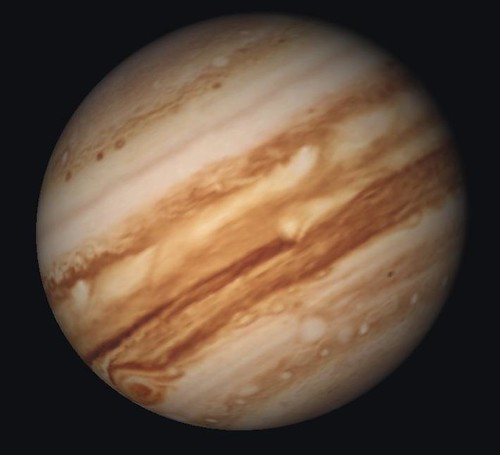
One of the key reasons why Saturn is so intriguing is its unique composition. Unlike terrestrial planets, Saturn is a gas giant, primarily made up of hydrogen and helium. This gaseous nature contributes to its mesmerizing cloud bands, which can be seen through telescopes.
Additionally, Saturn’s rings are a defining characteristic that sets it apart from other planets. These rings are composed of ice particles and rocky debris, creating a breathtaking sight when viewed from Earth. Their intricate structure and varying thicknesses make them a subject of study for scientists.
As Saturn reaches its peak brightness, it becomes an ideal time for amateur astronomers to observe its beauty. With the right equipment, stargazers can not only witness its rings but also some of its largest moons, including Titan, which is larger than the planet Mercury.
Overall, Saturn at its brightest offers a perfect opportunity to explore the wonders of our solar system.
By tonynetone via Openverse
Where this came from
You might also like
Amazon Offloading Nvidia AI Chips: A Smart Move Worth Watching · Google TV Gemini update: Proven features for smarter viewing · OpenAI consumer risks: Are they worth the proven concerns?