


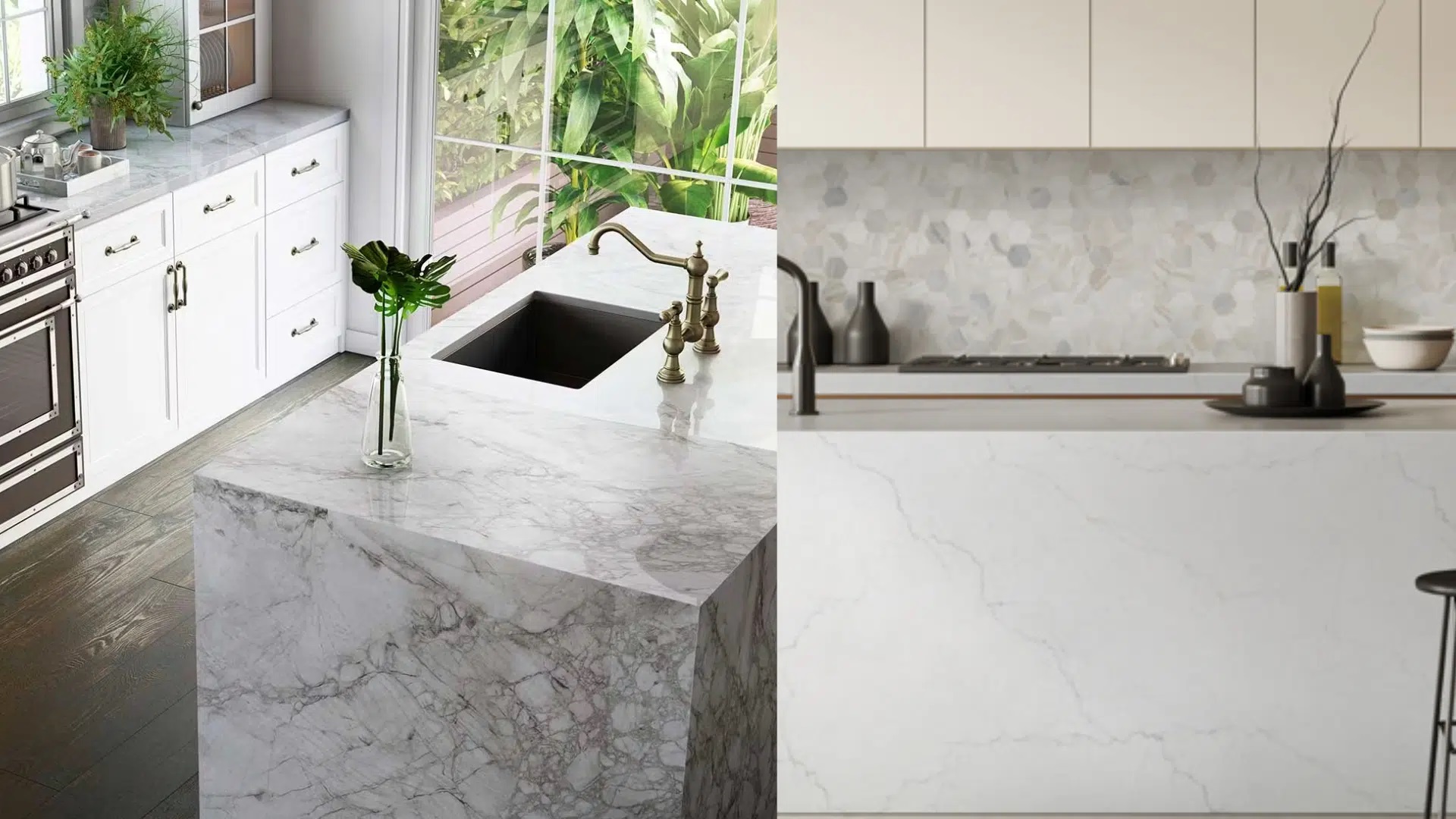
When planning a kitchen or bathroom upgrade, homeowners often face a familiar dilemma: dekton vs quartz. Both surfaces promise beauty, strength, and longevity—but their composition and performance differ in ways that can influence not only design but also day-to-day use.
For California homeowners, where design meets durability, choosing between Dekton and quartz is about balancing lifestyle priorities. From heat resistance to visual appeal, understanding each material’s strengths ensures your investment stands the test of time.
Understanding the Materials
Dekton is an ultra-compact surface engineered through a process called sinterization, which mimics the natural formation of stone using high heat and pressure. Produced from a blend of porcelain, glass, and quartz particles, it’s virtually indestructible.
Quartz, on the other hand, is an engineered stone made from around 90–95% natural quartz crystals mixed with polymer resins and pigments. It offers an elegant, nonporous surface that’s been the go-to choice for homeowners seeking both luxury and practicality.
While both materials fall into the premium countertop category, they behave differently in real-world conditions.
Durability and Strength
Both materials are impressively strong, but Dekton takes durability to another level. It’s highly resistant to heat, UV rays, and scratches—qualities that make it ideal for both indoor and outdoor installations. You can place hot pots directly on Dekton without damage, and its color won’t fade in the California sun.
Quartz, while strong, is more sensitive to heat. Placing a hot pan directly on the surface may cause discoloration or cracking. However, it remains one of the hardest interior countertop materials, resisting chips, stains, and daily wear exceptionally well.
For high-traffic indoor spaces like kitchens, quartz performs beautifully. For outdoor kitchens or sun-drenched patios, Dekton has the upper hand.
Appearance and Style Options
When it comes to aesthetics, both materials shine in their own ways. Dekton offers a contemporary look with large-format slabs that often feature ultra-matte or industrial finishes. Its color palette leans toward neutrals—grays, whites, and earthy tones—though newer collections include marble-inspired veining and metallic hues.
Quartz surfaces offer greater variety in pattern and texture, from realistic marble imitations to bold, modern designs. The resins used in quartz manufacturing allow for deeper color consistency and softer movement across the slab, making it ideal for homeowners who love a polished, seamless look.
In short, Dekton appeals to minimalists and modernists; quartz fits classic and transitional styles.
Maintenance and Cleaning
One of the biggest advantages of both Dekton and quartz is their low maintenance. Neither requires sealing, unlike natural stones such as granite or marble.
Dekton’s ultra-compact surface resists stains, acids, and abrasions. Simple cleaning with soap and water is usually enough, though nonabrasive cleaners can be used for stubborn marks. Its nonporous nature means no liquids can penetrate the surface.
Quartz is equally easy to maintain—just wipe with a damp cloth and mild detergent. However, homeowners should avoid harsh chemicals or high heat exposure to protect the resin binding.
Both surfaces are hygienic and resistant to bacteria, making them ideal for busy California kitchens.
Installation Considerations
Installation for both materials requires professional expertise. Dekton is extremely dense and heavy, demanding specialized tools for cutting and fabrication. Improper handling can lead to cracks or misalignment.
Quartz installation is more common, and many fabricators across California are experienced with it. Its flexibility makes it slightly easier to shape around sinks, islands, and corners.
Working with licensed professionals ensures your countertops are safely transported, cut, and fitted to perfection. Trusted Dekton vs Quartz Countertops Comparison experts can assess which material best suits your project’s layout and performance needs.
Heat, Scratch, and Stain Resistance
| Feature | Dekton | Quartz |
| Heat Resistance | Excellent (up to 1,000°F) | Moderate (avoid direct heat) |
| Scratch Resistance | Outstanding | Very good |
| Stain Resistance | Excellent | Excellent |
| UV Resistance | Excellent | Moderate |
| Porosity | Nonporous | Nonporous |
Both materials outperform natural stone in maintenance and durability. However, Dekton’s resilience to outdoor conditions and high heat makes it slightly more versatile.
Sustainability and Eco-Friendly Design
Sustainability plays an important role in California remodels, and both materials support environmentally responsible design. Dekton is manufactured using natural minerals and recycled materials, with a carbon-neutral production process. Its long lifespan further reduces environmental impact.
Quartz manufacturers increasingly incorporate recycled content, water reclamation systems, and low-emission resins. While both are eco-friendly, Dekton has the edge in lifecycle sustainability due to its heat-resistant, UV-stable properties—making it ideal for outdoor and green-certified projects.
Cost Comparison
In California, cost ranges vary depending on brand, edge design, and installation complexity. Generally, quartz and Dekton fall into similar premium categories:
- Quartz countertops: $70–$150 per square foot (installed)
- Dekton countertops: $80–$160 per square foot (installed)
Dekton’s price may increase slightly for intricate cuts or outdoor installations. While the initial cost is comparable, quartz typically offers more options for every budget, while Dekton justifies its higher price with extreme durability and longevity.
Applications and Versatility
Quartz is widely used for indoor applications—kitchen counters, bathroom vanities, backsplashes, and even wall cladding. It’s available in slabs, tiles, and prefabricated formats for flexibility in remodeling.
Dekton’s versatility extends beyond kitchens. Its UV and temperature resistance make it perfect for outdoor kitchens, poolside bars, and even fireplace surrounds. The surface’s strength allows it to be used for flooring, façades, and high-traffic commercial projects.
For homeowners who value durability across multiple spaces, Dekton offers more adaptability; for those focused on interior beauty and color variation, quartz remains a top choice.
Real-Life Example
A couple in Folsom recently remodeled their kitchen and outdoor dining area. They selected quartz for the indoor kitchen due to its warm veining and classic appeal, and Dekton for the patio bar to withstand direct sunlight and fluctuating temperatures.
The result blended sophistication with resilience—each material chosen for where it performs best. Their remodel perfectly reflects California’s design philosophy: form meeting function.
How to Decide
Your ideal surface depends on lifestyle and usage:
- Choose Dekton if you need maximum durability, heat resistance, and UV stability for both indoor and outdoor use.
- Choose Quartz if you prefer a wide color range, seamless patterns, and a warmer interior aesthetic.
Both materials enhance property value, offering lasting style and performance when installed by professionals.
Working With Local Experts
Selecting and installing premium countertops requires skill and precision. Local contractors and designers familiar with both materials can guide homeowners through color selection, fabrication, and maintenance.
For reputable remodelers and countertop specialists nationwide, visit USA business listings, where you can connect with trusted experts who specialize in modern surfaces like Dekton and quartz.
Conclusion
In the debate of Dekton vs Quartz, there’s no single winner—only the best fit for your lifestyle and design goals. Dekton stands out for unmatched durability and outdoor performance, while quartz delivers timeless elegance and versatile design options.
By understanding the differences between these two materials, California homeowners can make confident, informed decisions—ensuring their countertops remain as beautiful and functional as the day they were installed.


